
Panama Friendly Nations Visa
For citizens of around 60 friendly nations, living in Panama starts with the Friendly Nations Visa and its direct route to residency.
- Property investment
- US$200,000
- Visa-free
- 141 countries
- with the passport
- Presence
- None
- Dual citizenship
- No
- Status
- Permanent residence
- 2 years
01 · OVERVIEWWhat makes this program stand out
For citizens of around 60 friendly nations, living in Panama starts with the Friendly Nations Visa and its direct route to residency. The Panama Friendly Nations Visa is a residence-by-investment program designed for citizens of approximately 60 countries that maintain strong professional, economic, and investment ties with Panama. It provides a direct pathway to legal residency through qualifying financial commitments. The program operates without physical presence requirements, making it accessible for internationally mobile professionals and investors.
Qualification is based on nationality and capital deployment. Applicants must hold citizenship from one of the approved Friendly Nations countries. The minimum investment threshold is US$200,000. This capital can be deployed through several routes: real estate acquisition, fixed-term bank deposits, or formal employment arrangements within Panama. The program does not require applicants to maintain ongoing residence in the country.
Processing timelines are relatively efficient compared to traditional immigration pathways. Initial residency status can be obtained within months of application approval. After two years of holding legal residency status, visa holders become eligible to apply for permanent residency. This permanent status then opens a pathway to naturalization: after maintaining permanent residency for five consecutive years, individuals may apply for Panamanian citizenship.
Panamanian citizenship provides access to 141 countries on a visa-free basis. While Panama does not formally recognize dual citizenship under its legal framework, the country does not in practice monitor whether new citizens renounce other nationalities. This creates operational flexibility for individuals seeking to maintain their original citizenship alongside Panamanian nationality.
02 · INVESTMENT & COSTSInvestment and costs
What minimum capital commitment is required
The minimum capital commitment is US$200,000, deployed through one of three mechanisms: real estate ownership, fixed-term bank deposit, or employment-based salary documentation.
Real Estate Investment: Property must be owned outright or held through a Panamanian company or private foundation where you are the final beneficiary. The property value requirement is US$200,000. Financing through a local Panamanian bank is permitted.
Fixed-Term Deposit: A Panamanian bank must issue a certificate confirming a deposit of at least US$200,000 in your name, a beneficiary company, or a private foundation you control. The deposit must be lien-free and valid for three years minimum.
Administrative fees total US$1,050: US$250 to the National Treasury and US$800 to the National Immigration Service.
No ongoing annual capital maintenance is required after the initial three-year deposit term or property acquisition closes.
Which fees you should expect
Application fees total US$1,050. The National Treasury receives US$250. The National Immigration Service receives US$800.
Financial commitment begins at US$200,000 minimum. This threshold applies across three structural options: a fixed-term bank deposit, real estate ownership, or both combined. The deposit must remain with a Panamanian bank for three years and sit free of liens throughout the period. Real estate can be purchased individually, held through a Panamanian company where you control final beneficial ownership, or placed in a private foundation where you serve as founder and final beneficiary.
Real estate purchases may be financed through local Panamanian banks, reducing upfront capital requirements. The US$200,000 threshold represents the minimum across all three pathways; larger investments or multiple properties satisfy the requirement equivalently.
03 · CLASSIFICATIONFlag Theory 3.0 classification
04 · REQUIREMENTSWhat you need to qualify
Applicants must be citizens of one of approximately 60 countries recognized under the Friendly Nations agreement. Eligible nationalities include the United States, Canada, United Kingdom, Germany, France, Japan, South Korea, Australia, Spain, and Switzerland.
Qualification routes depend on the capital deployment mechanism selected.
- Employment route: Applicants must submit a letter from a Panamanian employer on company letterhead, signed by the legal representative, confirming position and salary. Supporting documentation includes the Public Registry Certificate of the employing company, a copy of the company's business license, and a copy of the work permit request filed with the Ministry of Labor (MITRADEL), signed by both applicant and legal representative.
- Real estate investment route: Applicants must provide proof of ownership of Panamanian real estate valued at a minimum of US$200,000. Property may be held personally, through a Panamanian company where the applicant is the final beneficiary, or through a private foundation where the applicant serves as founder and final beneficiary. Financing through a Panamanian bank is permitted.
- Fixed-term deposit route: Applicants must obtain a certificate from a Panamanian bank confirming a fixed-term deposit of at least US$200,000, free of liens, with a three-year validity period. The deposit may be held in the applicant's name, a company where the applicant is the final beneficiary, or a private foundation where the applicant is the founder and final beneficiary.
All applicants must submit core documentation. Required documents include a Power of Attorney, an application letter, three passport-sized photographs, an authenticated copy of the passport, a Police Clearance Certificate, a Health Certificate, and a sworn declaration of personal background.
Government fees total US$1,050 per applicant. This includes US$250 for the National Treasury and US$800 for the National Immigration Service.
The program imposes no physical presence requirements. Applicants are not obligated to reside in Panama before, during, or after obtaining residency status.
Which documents are typically required
The application requires core documentation for all applicants regardless of route. You need a Power of Attorney and an application letter. Three passport-sized photographs must be submitted. An authenticated copy of your passport is required. You must provide a Police Clearance Certificate from your country of origin or current residence. A Health Certificate demonstrating medical fitness is mandatory. A sworn declaration of personal background completes the core submission.
Employment Route Documentation:
- Letter from Panama employer on company letterhead, signed by legal representative, confirming position and salary
- Public Registry Certificate of the employing company
- Copy of the company's business license
- Copy of the work permit request submitted to the Ministry of Labor (MITRADEL), signed by both applicant and legal representative
Real Estate Investment Route Documentation:
- Proof of ownership of real estate in Panama valued at minimum US$200,000
Fixed-Term Deposit Route Documentation:
- Certificate from a Panamanian bank confirming a fixed-term deposit of at least US$200,000, free of liens, with three-year validity
All documents issued outside Panama must be authenticated through apostille or consular legalization. Translation into Spanish by an authorized translator is required for documents not originally issued in Spanish. Government fees of US$1,050 are due at submission: US$250 to the National Treasury and US$800 to the National Immigration Service.
05 · BENEFITSWhy this program may be worth considering
The program provides a 5-year pathway to Panamanian citizenship through naturalization. Visa holders can apply for permanent residency after 2 years of legal residency. Once permanent residency is granted, an additional 5 years of maintained status opens eligibility for citizenship. Panamanian nationality grants visa-free access to 141 countries.
Panama applies a territorial taxation system. Income sourced from outside Panama is not taxed. Only income generated within Panamanian borders is subject to local taxation. This structure creates tax efficiency for internationally-sourced income streams.
The cost of living in Panama is below OECD averages. Housing, utilities, and daily expenses in Panama City remain accessible compared to North American and European urban centers. English is widely spoken across business districts, service sectors, and administrative institutions. This reduces operational friction for non-Spanish speakers managing residency and business activities.
Panama's climate is tropical. Average temperatures range from 24°C to 32°C year-round. The country experiences a dry season from January through April and a rainy season from May through December. Geographic positioning provides proximity to both Caribbean and Pacific coastlines. Infrastructure in Panama City includes international banking hubs, established healthcare facilities, and direct flight connections to North and South America.
Processing timelines are faster than multi-year residency programs in Europe or North America. Initial residency approval typically occurs within months of application submission. The program requires no minimum stay periods. Residency status remains valid without mandatory physical presence in Panama. This enables maintenance of residency from abroad while managing business operations or family commitments elsewhere.
06 · PATH TO CITIZENSHIPHow the path to citizenship works
Panama Friendly Nations Visa holders follow a two-stage timeline to citizenship. After holding the initial visa for 2 years, you apply for permanent residency. Once permanent residency is granted, you maintain that status for 5 consecutive years before becoming eligible to apply for naturalization. The total pathway from initial visa to citizenship application spans 7 years.
Naturalization requires demonstrating ties to Panama through economic, professional, or social integration. You must show basic Spanish language proficiency. There is no standardized exam format published by the National Migration Service, but expect conversational competence during the citizenship interview. Integration assessment evaluates your connection to Panamanian society, employment history, property ownership, community involvement, or business operations all serve as evidence.
Panama's naturalization oath requires applicants to renounce their original nationality and swear allegiance to Panama. This is the formal legal position. In practice, Panama does not monitor whether new citizens actually surrender foreign passports or maintain other citizenships. The country does not exchange information with other governments regarding renunciation compliance. This creates a functional dual citizenship environment despite the official prohibition.
No minimum physical presence requirement exists during the residency phase. You are not required to reside in Panama while holding the Friendly Nations Visa or permanent residency. However, demonstrating genuine ties to the country strengthens your naturalization application. Extended absences with no economic or social footprint may weaken your integration case during citizenship review.
07 · LEGAL BASISWho oversees the program and what it is based on
The National Migration Service (Servicio Nacional de Migración) processes and approves all applications. The program is established under Executive Decree 226, issued July 20, 2021.
These solutions could be relevant for you
Based on your answers we picked a few options that may fit. In the consultation we work out which of them actually makes sense for your situation.
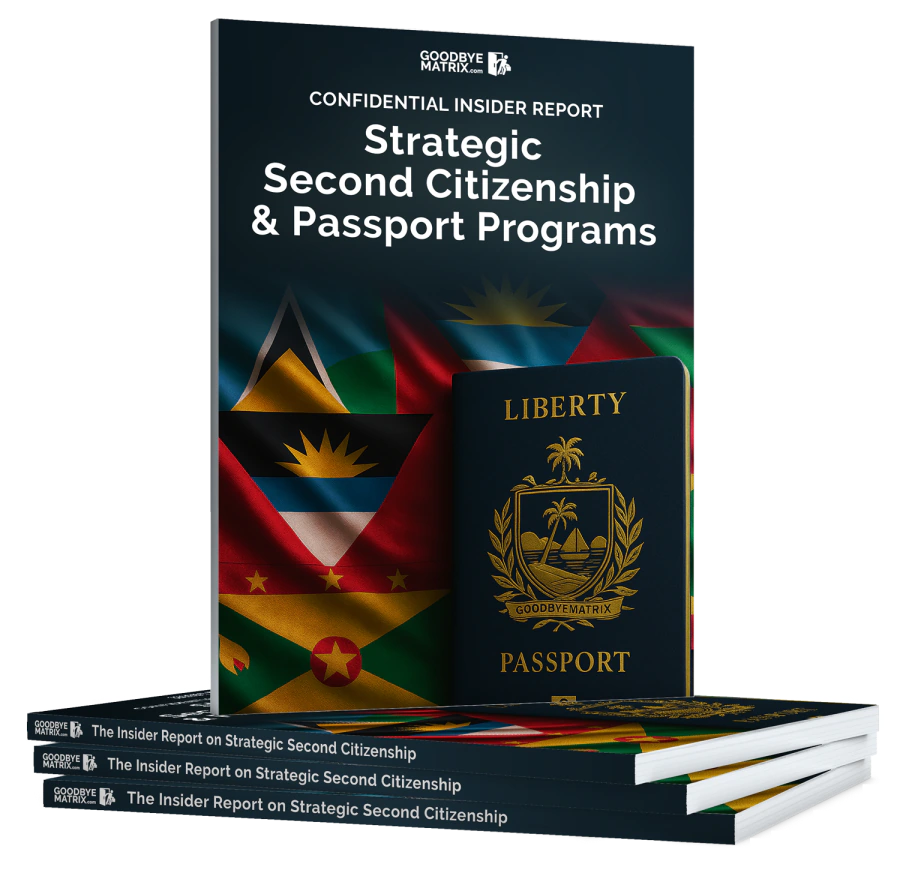
Strategic Second Citizenship & Passport Programs
Access our confidential strategic briefing outlining:
- The 5 most efficient and legally structured paths to a second passport
- Jurisdictions offering accelerated citizenship programs
- Proven investment and ancestry routes for capital and family protection
- How high-net-worth entrepreneurs diversify sovereign risk
This is not about travel perks. It’s about long-term control, asset protection, and jurisdictional leverage.
Wohin dürfen wir Dir den Insider-Report senden?
Du bekommst das Strategiepapier sofort per E-Mail.
Kostenfrei und unverbindlich.